
Garmin is reportedly laying the groundwork for a significant evolution of its Connect ecosystem, aiming to bridge the gap between physical activity and dietary management. While the platform has historically excelled at tracking what users expend through exercise, it appears poised to tackle the other side of the health equation: nutritional intake. This move could transform the app into a comprehensive lifestyle hub, particularly beneficial for those focused on weight management or precision fueling.
Beyond Third-Party Syncing: Native Food Logging
For years, Garmin users have relied on external integrations—most notably MyFitnessPal—to sync calorie data with their wearable stats. However, recent findings from an APK analysis of Garmin Connect version 5.20 suggest a shift toward a native solution.
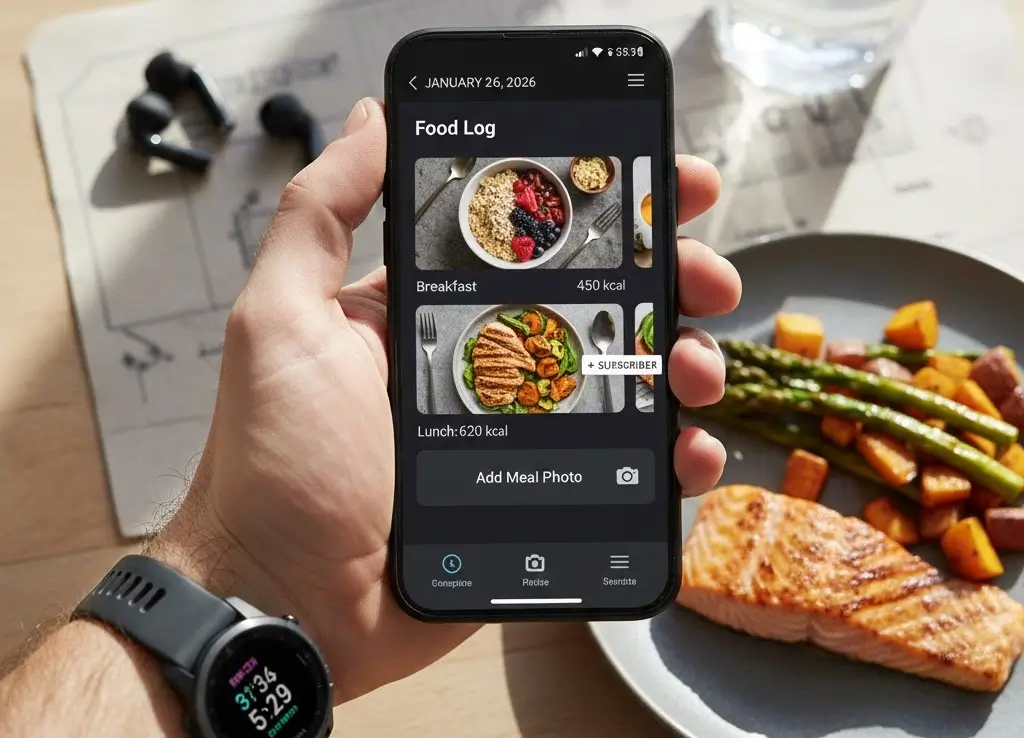
Rather than just importing data, Garmin may soon allow users to log their meals directly within the app. This transition from a “data aggregator” to a “data creator” represents a fundamental change in how Garmin views its role in a user’s health journey.
The Role of Visual Logging and AI
The most intriguing discovery in the software’s code is the ability for users to photograph and archive their meals. While there appear to be certain limits on photo uploads, the ultimate utility of these images remains a subject of speculation.
Industry experts are questioning whether Garmin will implement AI-powered analysis to estimate caloric density and macronutrient breakdown (proteins, fats, and carbohydrates) directly from these images. Such technology would significantly lower the barrier to entry for food tracking, which is often cited as a tedious manual process.
Premium Tiers and Specialized Coaching
As Garmin continues to roll out its “Connect+” subscription model, there is a strong possibility that advanced nutrition features—such as photo analysis or detailed macro reports—could be made available only behind a paywall.
However, the value proposition is clear: by merging workout data with intake recommendations, Garmin could offer hyper-personalized advice. For instance, an endurance athlete preparing for a marathon might receive specific “carb-loading” prompts or hydration targets based on their real-time training load and upcoming race schedule.
Also Read: Garmin Fitness Coach Finally Lands on Fenix 8: Everything You Need To Know

