

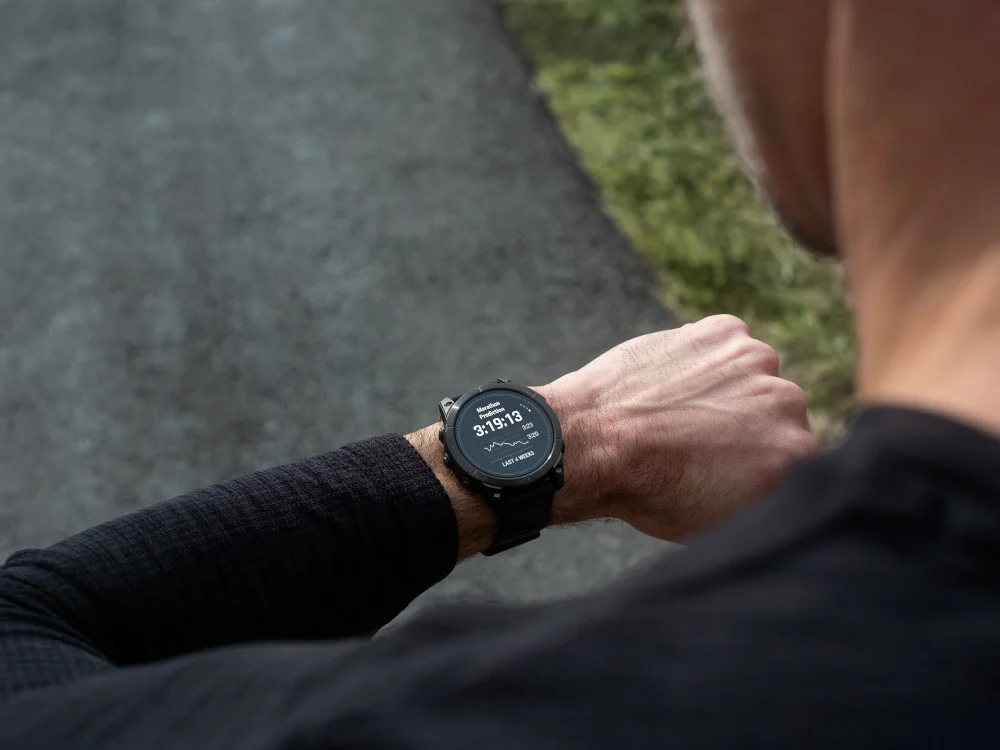
As the wearable tech landscape shifts toward deeper recovery insights, it looks like Garmin is about to change the game again. I’ve been digging into some recent filings and industry whispers, and it seems the “Body Battery” we all know and love is getting a localized, high-tech sibling: the Muscle Battery.
Here is my take on what this means for the future of Garmin’s ecosystem and how it might change the way we train.
From General Fatigue to Targeted Recovery
For years, Garmin users have relied on Body Battery to gauge their overall energy levels. It’s a great “bird’s-eye view” of your day, using sleep, stress, and HRV to tell you if you’re ready for a workout or if you should hit the couch. But as any athlete knows, your heart might be ready for a run even when your quads are still screaming from yesterday’s squats.
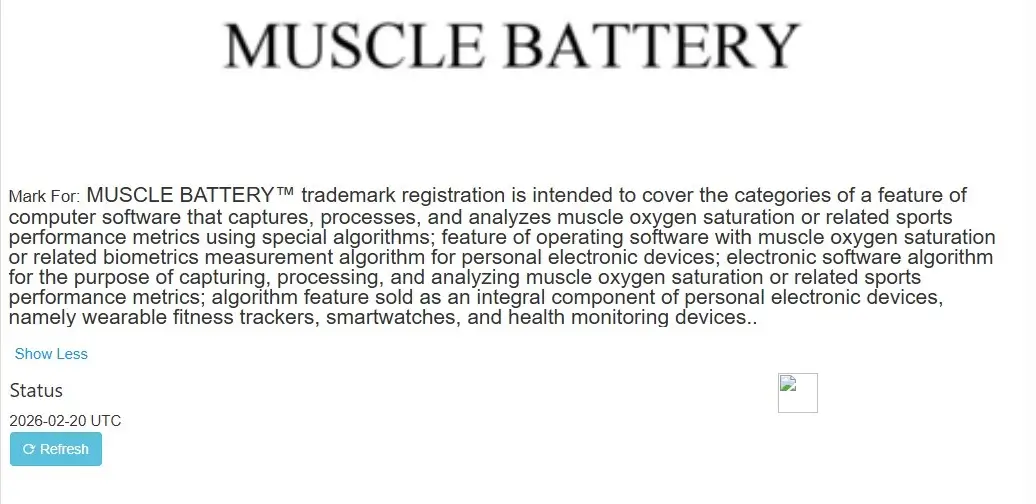
The Muscle Battery (a name recently spotted in Garmin trademark filings) is designed to solve this exact problem. Instead of looking at your systemic readiness, this feature appears to focus on muscle oxygen saturation (SmO2). Essentially, it’s moving the focus from your heart and lungs down to the specific muscle groups you’re actually using.
The Science of SmO2: Why It Matters
While most of us are familiar with SpO2 (blood oxygen) from our watch’s Pulse Ox sensor, Muscle Oxygen (SmO2) is a different beast. It measures the balance between oxygen delivery to the muscle and oxygen consumption by that muscle during exercise.
In the past, tracking this required niche, expensive sensors like the Moxy Monitor. By integrating this into a “Muscle Battery” metric, Garmin is signaling a move toward professional-grade physiological tracking for the everyday athlete. This would allow the watch to tell you—in real-time—if a specific muscle is hitting a state of “functional overreach” or if it has successfully cleared the metabolic waste products from a previous session.
A Perfect Match for “CIRQA” and New Hardware
The timing of this discovery is particularly interesting. It comes right on the heels of rumors surrounding “CIRQA,” which many believe to be Garmin’s answer to the screenless recovery bands like Whoop.
I suspect that to make Muscle Battery truly effective, Garmin might be preparing new hardware. Current wrist-based optical sensors are great for heart rate, but measuring localized muscle oxygen often requires placement closer to the muscle group being worked (like the thigh or bicep). Whether this lands as a new sensor on the back of a watch or as a specialized accessory, it marks a shift toward a more modular way of tracking performance.
How This Changes the Way We Train
If I’m right about how this will be implemented, the “Muscle Battery” could become the most important tool in a strength athlete’s or cyclist’s arsenal. Imagine these scenarios:
-
Leg Day Intelligence: Your Body Battery says 85 (you slept great!), but your Muscle Battery for your glutes and hamstrings is at 20% from a heavy deadlift session. The watch suggests a swim or an upper-body day instead of another leg workout.
-
Interval Optimization: During a track session, your Muscle Battery could show you exactly when your muscles have recovered enough to start the next sprint, rather than just waiting for your heart rate to drop.
-
Preventing Overuse Injuries: By tracking localized fatigue, Garmin could warn you when a specific muscle group is at high risk for strain before you even feel the “twinge.”
The Competitive Edge
Garmin isn’t the only one eyeing this space. Recent patents suggest Whoop is also looking into muscle oxygenation. However, Garmin has the advantage of a massive existing ecosystem. If they can successfully link Muscle Battery with their “Muscle Map” recovery tools and their new Advanced Strength features, they will offer a level of data depth that no other consumer wearable can match.
We are moving away from “How do I feel?” and toward “How is my left quadriceps actually performing?” It’s a specialized, data-driven future, and I can’t wait to see it land on our wrists.
Also Read: Garmin Cirqa spotted in latest USPTO trademark filing—here is what it tells us
Source: USPTO, Gadgets and Wearables

