
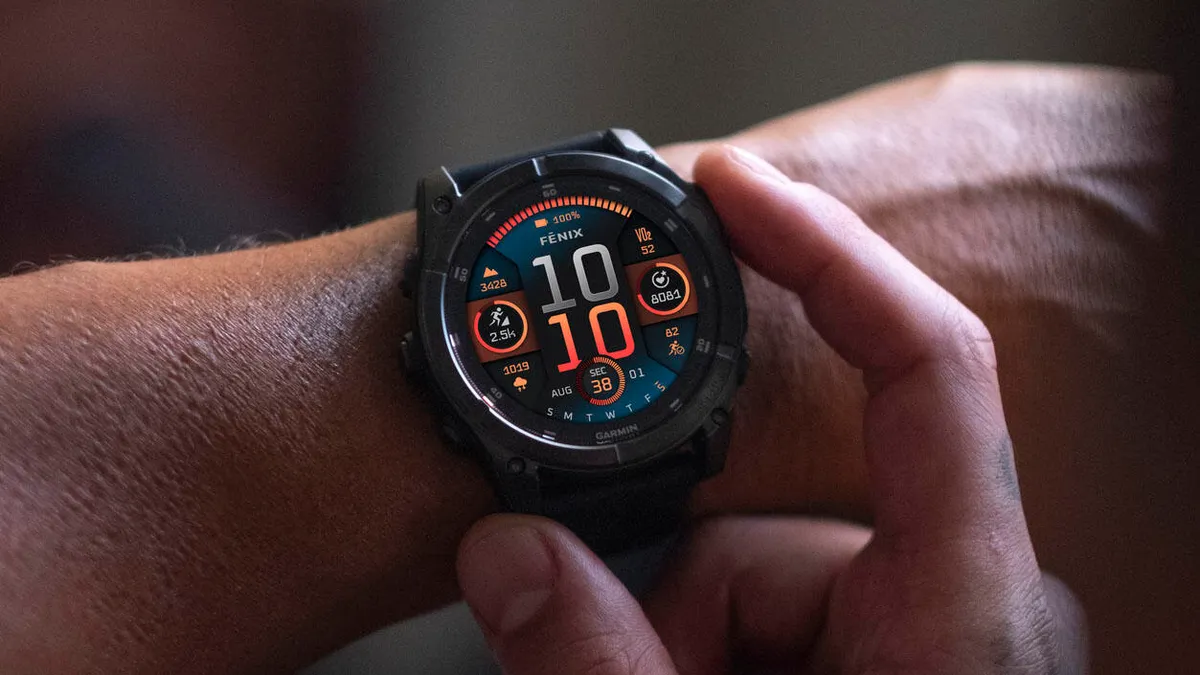
Garmin, a prominent name in wearable technology, appears to be venturing into the realm of non-invasive blood glucose monitoring. A recently unveiled patent hints at the company’s development of wrist-based sensor technology designed for this crucial health metric. Should this innovation materialize into a product, it could offer a significant advantage for individuals managing diabetes, though certain complexities and unknowns persist.
The Quest for Wrist-Based Glucose Measurement
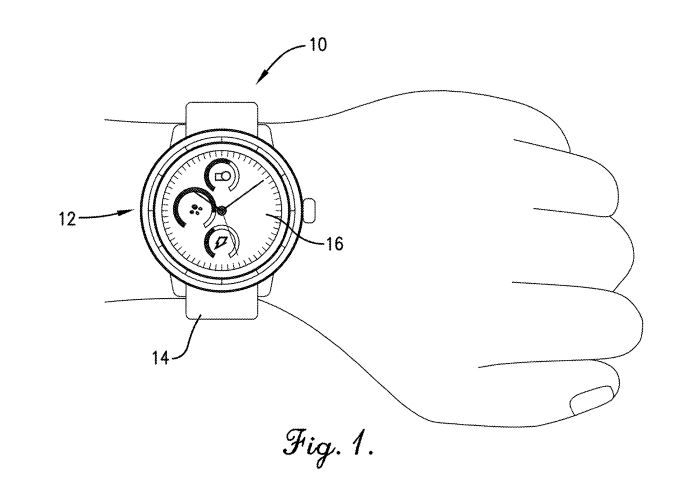
The pursuit of accurate, wrist-based blood glucose measurement is a significant area of research and development for several companies. The intricacies and hurdles associated with such a measurement have been a topic of extensive discussion within the medical and technological communities. A newly disclosed patent, bearing the number 20250134464, specifically details Garmin’s approach to determining blood glucose levels, or at least a related indicator.
Focusing on Long-Term Blood Glucose: HbA1c
Intriguingly, the patent refers to the measurement of HbA1c, commonly recognized as long-term blood glucose. This value offers a comprehensive overview of an individual’s blood glucose levels over an extended period, typically several weeks. In numerous countries, the assessment of HbA1c is a standard requirement for health insurance purposes, particularly for individuals with type 1 diabetes, and serves as a vital tool for monitoring disease progression. Simply put, the HbA1c value quantifies red blood cells that have undergone an irreversible chemical reaction with glucose. It’s crucial to understand that while HbA1c doesn’t provide real-time blood glucose readings, continuous glucose monitoring (CGM) systems, which utilize optical measurements, can offer estimations.
The Technology Behind the Measurement: Pulse Spectrometry
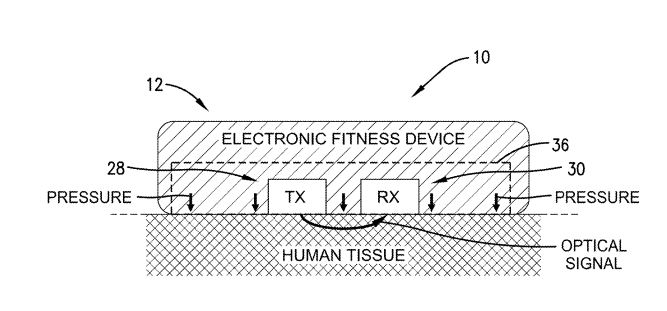
The core of Garmin’s patented technology involves pressure compensation integrated with a technique known as pulse spectrometry. The term “spectrometry” signifies that the system captures an entire spectrum of electromagnetic radiation, analyzing the interaction between matter and radiation across a broad range. This differs from simpler measurements like heart rate or blood oxygen saturation, which typically focus on single or a few specific wavelengths. The measurement of HbA1c might inherently be less challenging due to its characteristic progression, whereas direct, instantaneous blood glucose measurement could necessitate more sophisticated Near-Infrared (NIR) sensors. As with any patent, the ultimate realization of this technology into a consumer product remains uncertain.

