
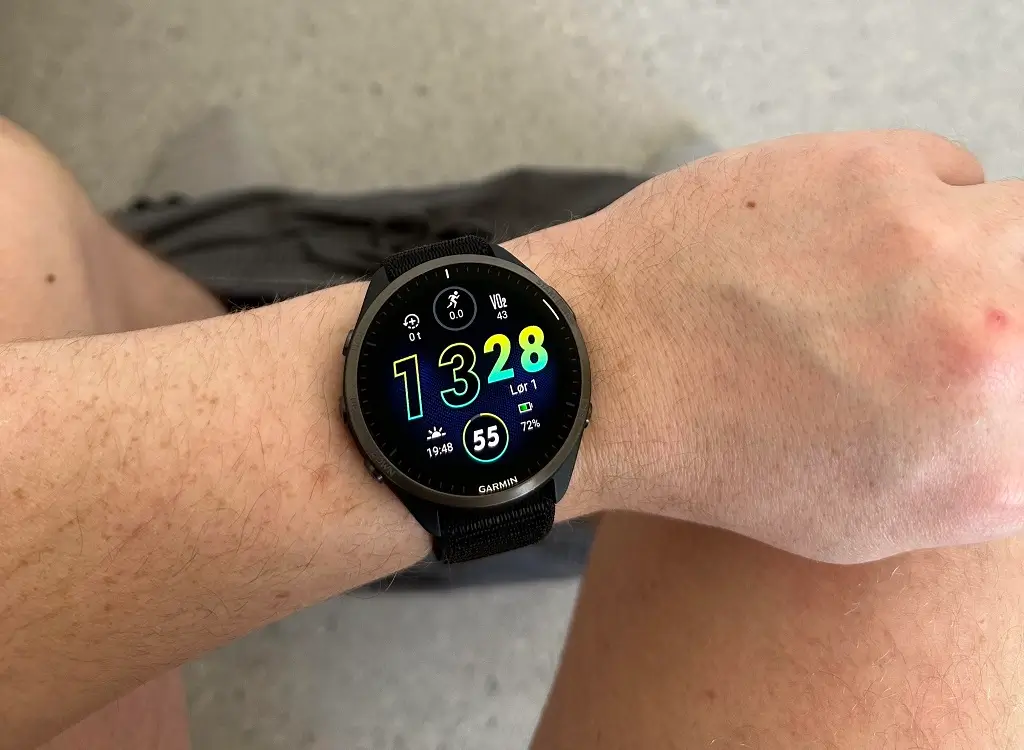
It is early 2026, and the Garmin ecosystem has shifted. With the Forerunner 970 now claiming the throne as the “Endurance King,” many athletes are looking at the aging Forerunner 965 and wondering if it’s a vintage classic or just outdated tech.
The short answer: The Forerunner 965 isn’t just “still worthy”—in 2026, it has arguably become the best value-to-performance play in Garmin’s entire history. Here is why the 965 remains a powerhouse even in the shadow of its successor.
1. The “Diminishing Returns” of the 970
The Forerunner 970 introduced three major “lifestyle” upgrades that the 965 lacks:
-
Integrated LED Flashlight: A fan favorite borrowed from the Fenix line.
-
Speaker & Microphone: For taking calls and using voice assistants.
-
ECG & Skin Temperature: Enabled by the new Elevate Gen 5 sensor.
While these are “nice-to-haves,” they don’t necessarily make you a faster runner. If you already run with your phone or don’t mind using a dedicated headlamp for night trails, the 970’s $750 price tag feels steep compared to a 965 that you can now frequently find for under $450–$500.
2. The Display & Build: Still Flagship Grade
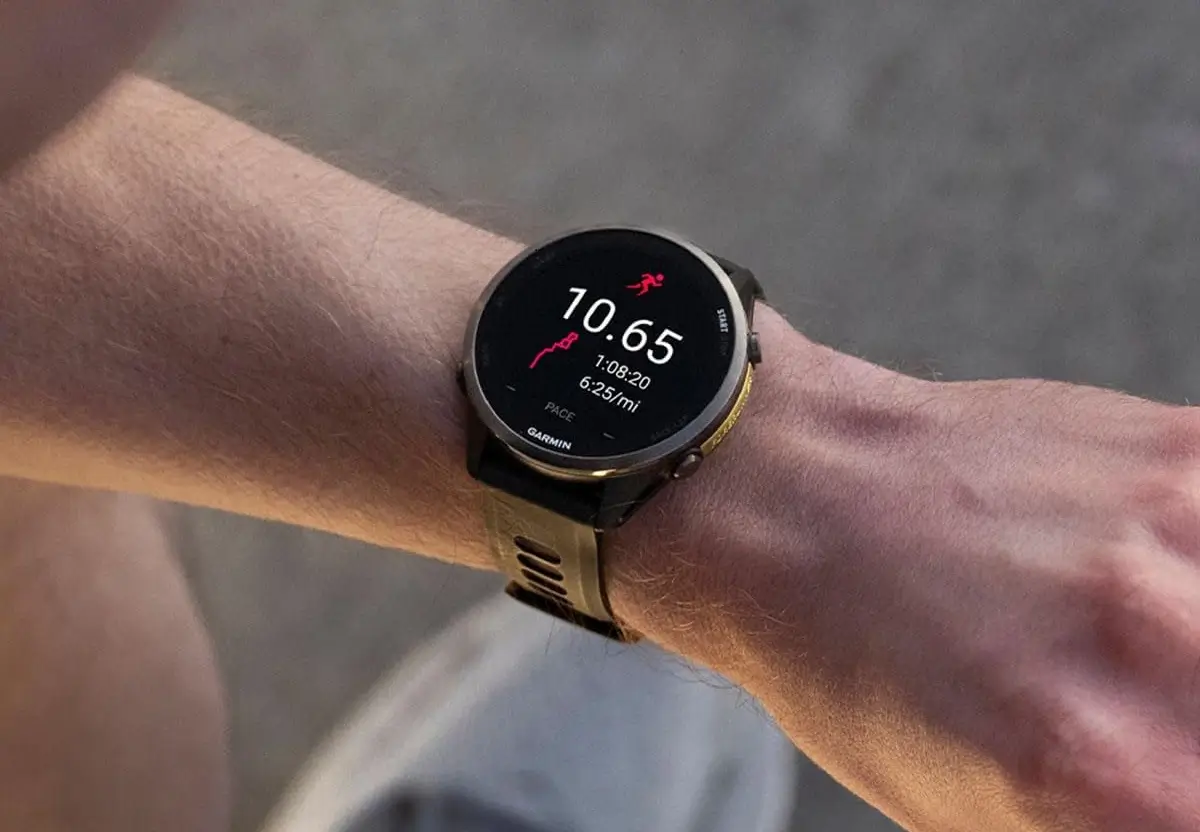
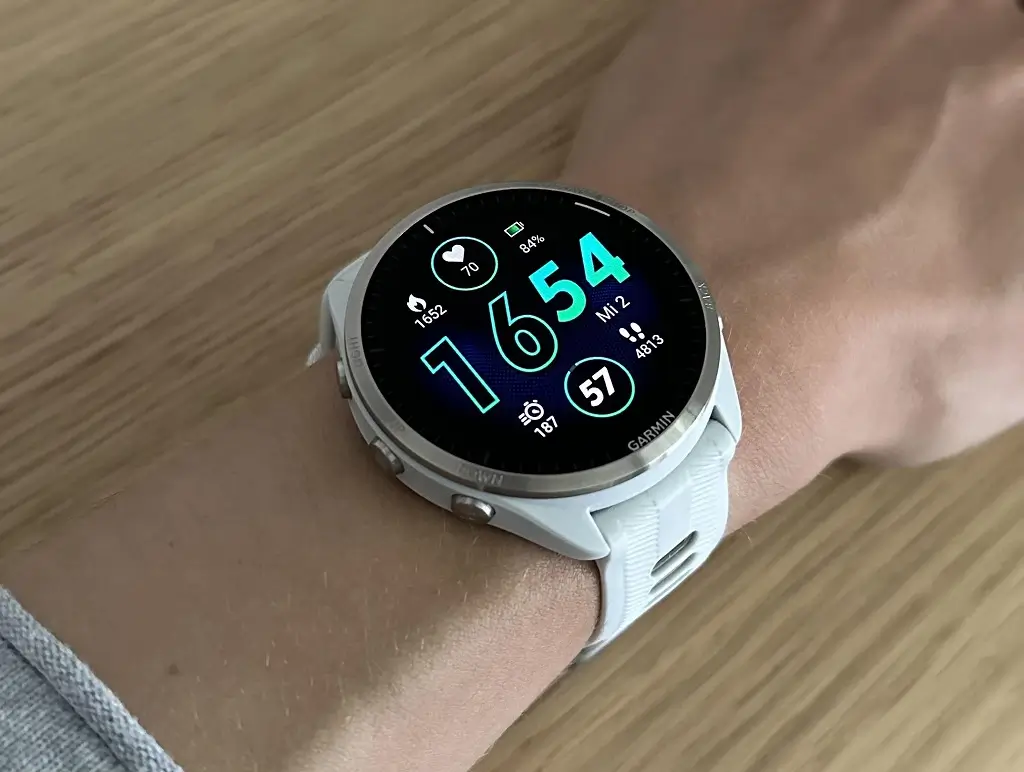
In 2026, the 965’s 1.4-inch AMOLED display still looks stunning. Since the 970 kept the same resolution (454 *454), the visual experience is nearly identical.
-
Weight: The 965 remains one of the lightest titanium-bezel watches ever made at just 53g. Interestingly, the 970 is slightly heavier (56g) due to the added hardware for the speaker and flashlight. For the “weight weenie” triathlete, the 965 is actually the superior choice.
-
Aesthetics: The 965’s sleek, slim profile is often preferred over the slightly bulkier 970 for daily wear under a shirt cuff.
3. Battery Life: The Hidden Win
A surprising reality of 2026 testing is that the Forerunner 965 actually holds its own (and sometimes wins) in pure smartwatch mode battery life. While the 970 improved efficiency during heavy GPS usage (up to 21 hours in Multi-Band), the 965 still boasts up to 23 days in smartwatch mode, whereas the 970 is rated for 15 days due to the higher power draw of its newer sensor array and always-on voice features.
4. Feature Parity (Where it Counts)
Garmin has been generous with “trickle-down” software. In the latest 2026 firmware updates, the 965 still supports:
-
Full TopoActive Mapping: The gold standard for navigation.
-
Multi-Band GNSS: The same GPS accuracy as the 970.
-
Training Readiness & Morning Report: The core data metrics that define the Garmin experience.
The 970 does have “Running Tolerance” and “Impact Load” metrics, but for 90% of runners, the 965’s existing suite provides more data than they will ever actually use.
Comparison: At a Glance
| Feature | Forerunner 965 | Forerunner 970 |
| Price (2026) | ~$499 (often lower) | $749 |
| Screen | 1.4″ AMOLED | 1.4″ AMOLED (Brighter) |
| Flashlight | No | Yes (LED) |
| Smart Features | Basic Notifications | Mic/Speaker/Voice |
| Weight | 53g (Ultra-light) | 56g |
| Health Sensor | Elevate Gen 4 | Elevate Gen 5 (ECG/Skin Temp) |
Final Verdict: Is it Worthy?
The Forerunner 965 is the “Sleeper Hit” of 2026. If you are a hardcore tech enthusiast who needs a built-in flashlight and the ability to answer calls from your wrist, go for the 970. But if your primary goal is elite-level tracking, mapping, and a beautiful screen at a much more palatable price point, the 965 is the smarter buy.
It hasn’t been “replaced”; it has been “repositioned” as the ultimate mid-range king that still performs like a flagship.
Check Forerunner 965 Price At Amazon
Also Read: The Best Garmin Watches of 2026: A Beginner’s Guide to the Ultimate Ecosystem

