

The wait is finally over for sports tech fans. DC Rainmaker, the gold standard for Garmin device reviews, has officially dropped his in-depth look at the brand-new Garmin Fenix 9 series. After spending a good chunk of time sitting down and watching through his extensive, highly detailed breakdown, every single minute proved entirely worth it. If you want to dive straight into the master’s analysis, take a few minutes to watch his comprehensive review video right here:
Make sure to watch the video above to see all the menus, hardware close-ups, and live testing in action!
Garmin Fenix 9 Series Released: The Ultimate Breakdown of DC Rainmaker’s Review
The tech world has been buzzing since Garmin announced its new flagship adventure line, and Ray Maker (DC Rainmaker) has officially delivered his signature, exhaustively detailed review of the Garmin Fenix 9 series. Known for testing gear down to the absolute limit, Ray goes through every single hardware shift, software addition, and menu change.
If you didn’t have time to sit through the entire video, here is the complete news-style breakdown of everything Ray said.
The Hardware Layout: Sizes, Tiers, and Thickness Changes
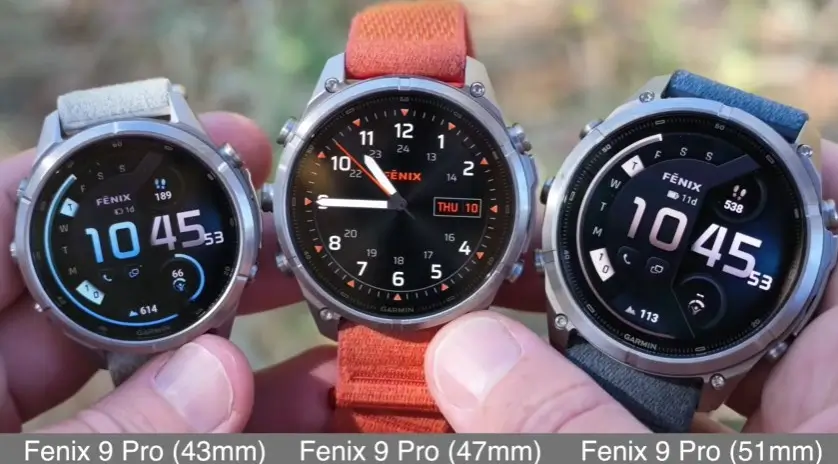
Ray starts by explaining how the Fenix 9 ecosystem is structured. You have three main choices to make when buying: the display type (AMOLED or Solar/MIP), the size (43mm, 47mm, and 51mm), and the tier level (Base, Pro, or Pro inReach).
He points out a few physical dimension changes that people will notice right away on their wrists:
-
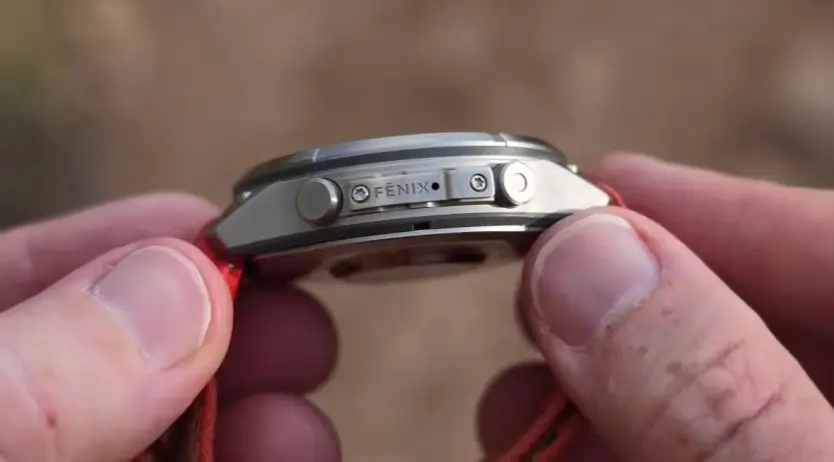
Fenix 9 Pro vs. Fenix 8 Pro: The thickness on the standard 47mm Fenix 9 actually decreased by 0.5mm down to 13.3mm, matching the thickness of the older non-Pro Fenix 8.
-
The Solar Trade-off: Interestingly, the Fenix 9 Pro Solar models actually gained 0.5mm, pushing them to 15.8mm thick.
-
All-Titanium Pro Builds: On the Pro models, Garmin has made a full titanium case standard, paired with sapphire glass. Ray notes that this makes the Pro models look and feel drastically more luxurious and premium without adding awkward weight.
Massive Screen Brightness and Storage Bumps
One of the loudest headlines in Ray’s review focuses on visibility and internal storage capacity:
-
Double the Storage: Storage has been doubled across the board to a massive 64GB. Ray explains that this removes the frustrating juggling act of choosing which map regions to install or deciding between local music files and large topography maps.
-
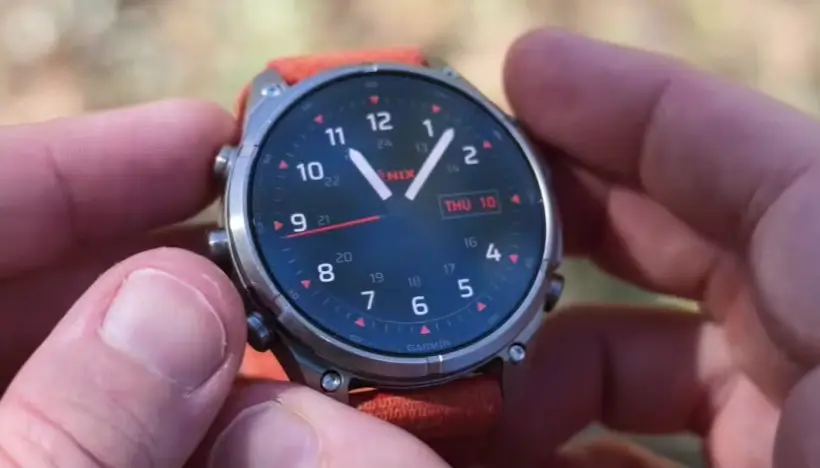
Blindingly Bright Displays: The standard AMOLED base models now pump out up to 2,000 nits, while the Pro models crank it up to a staggering 3,000 nits. Ray emphasizes how sharp, vivid, and legible these displays are, even when looking at them from sharp angles under harsh sunlight.
Flashlight Upgrades and LTE Expansion
The beloved built-in LED flashlight gets some love in this generation, too. While previous watches gave you standard white and red lights, Ray highlights that the Pro models now introduce a green LED mode. This is a massive win for outdoor enthusiasts who want to preserve their night vision or view maps in total darkness without blinding themselves.
Furthermore, Ray notes that Garmin has expanded LTE and satellite connectivity options directly into the Solar models, bringing advanced communication features to a wider spread of watches.
Deep-Dive Software Additions: Rucking, Rowing, and Stamina
Garmin packed a huge wave of sports analytics into the Fenix 9, and Ray spends a significant amount of time detailing how they function in the real world:
-
The Garmin Epic Feature: Previously trapped inside the Garmin Connect app ecosystem, the “Epic” feature is now built right into the watch. It lets you bundle multi-day adventures, photos, and tracking data into a single unified story log.
-
New Rucking Suite: Garmin added dedicated rucking profiles, an on-watch rucking target calculator (which tells you how far you need to go based on your pack weight), mid-activity pack-weight adjustments, and customized calorie burn algorithms.
-
Indoor Rowing Overhaul: Ray points out that Garmin discovered indoor rowing is a top-ten activity for Fenix users. As a result, the watch introduces dedicated heart rate zones for rowing, power curves, rowing FTP, and VO2 max tracking (which syncs smoothly with equipment like Concept2 ergs).
-
Stamina Zones and Graphs: The real-time Stamina metric has been revamped with clear stamina zones, endurance time concepts, and brand-new graphs to help you manage your energy reserves on long pushes.
The Downsides: What Didn’t Ray Like?
Yes, Ray is always honest about the downsides, and he points out a few things about the Fenix 9 lineup that could be better:
-
The MIP vs. AMOLED screen debate limits your choices: Ray points out that Garmin completely removed the non-solar Memory-in-Pixel (MIP) screen option. If you want a traditional MIP screen now, you have to get the Solar model—meaning you can’t get a standard MIP watch without paying for and dealing with the solar panel layer.
-
LTE limitations: He notes that Garmin’s LTE feature doesn’t act like a normal smartwatch that handles regular phone calls and texts tied to your mobile number. Instead, it uses a hidden Garmin number primarily meant for LiveTrack and quick, basic messaging via the Garmin Messenger app.
-
Incremental feel from the previous generation: Ray highlights that unlike massive generational leaps in the past, the jump from the Fenix 8 series to the Fenix 9 feels pretty small, especially since Garmin pushed a lot of the new Fenix 9 software updates straight back down to older watches like the Fenix 8.
-
High cost and complexity: Like previous flagships, it comes with a steep luxury price tag, and the sheer amount of nested menus and features can still feel overwhelming for casual users.
The Verdict: Should You Buy It?
To wrap up his review, Ray gives practical advice on who should buy it. If you are coming from an older Fenix 6 or 7, the leap in display quality, 64GB storage, and mapping speed will feel monumental. However, if you are already wearing a Fenix 8, the upgrades are more incremental.
To catch every minor menu tweak, battery stat, and expert test result, watch DC Rainmaker’s full YouTube video embedded at the top of this article.
Also Read: Garmin’s New Fenix 9 Pro Is Live on Amazon—Here Is What You Need to Know

