
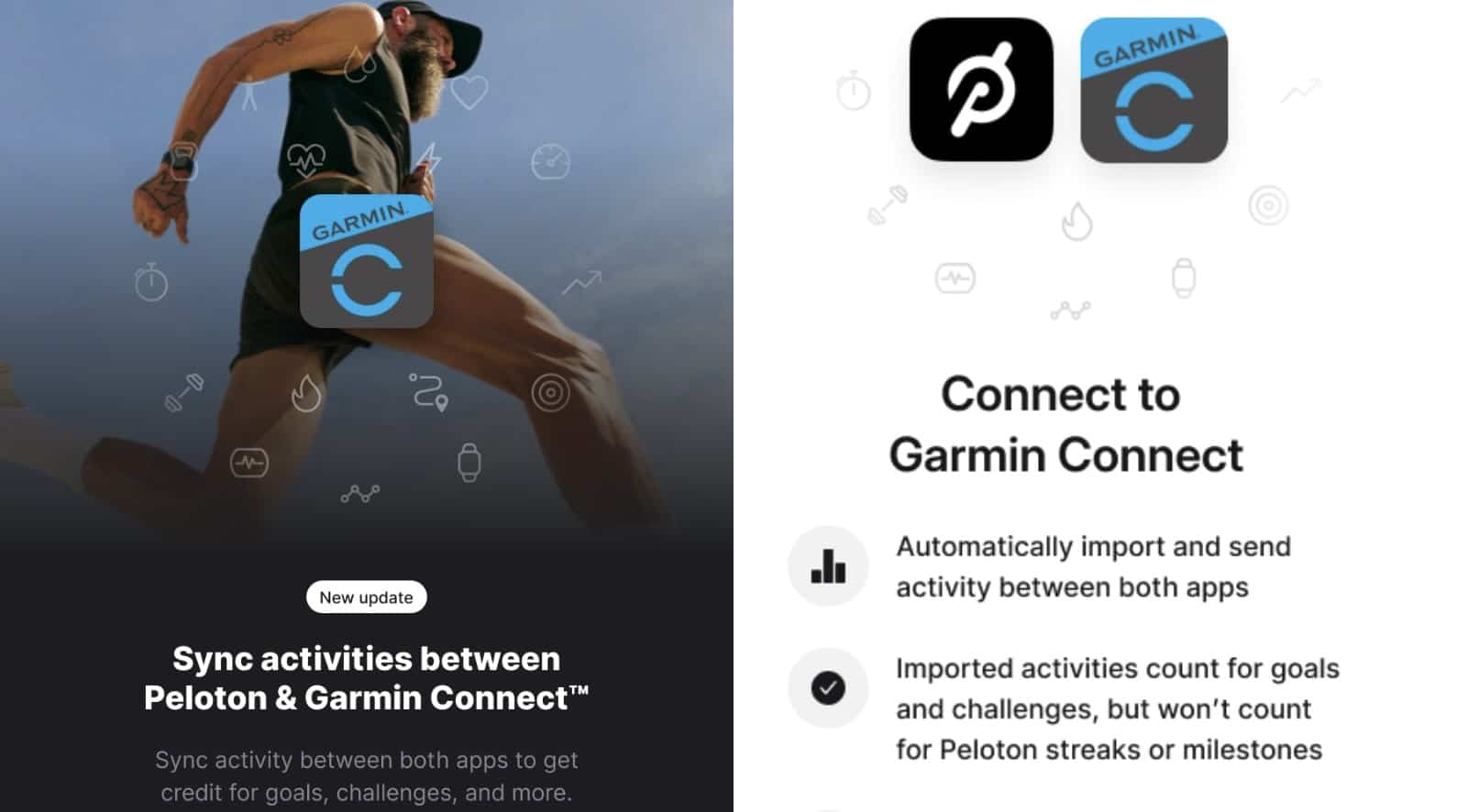
For years, fitness enthusiasts caught between the Garmin and Peloton ecosystems have faced a digital wall. While both platforms dominate their respective fields—Garmin for outdoor endurance and Peloton for world-class indoor cycling—getting them to “talk” to each other was a notoriously clunky process.
As of March 2026, that barrier has finally been dismantled. A new native integration allows for seamless, bi-directional syncing between Garmin Connect and Peloton, ensuring your fitness data is no longer trapped in silos.
Bridging the Gap in Your Training History
In the past, the integration between these two giants was a one-way street. Users could send their Garmin activities over to the Peloton app, but the reverse was impossible without utilizing third-party workarounds like SyncMyWorkout. This left a glaring hole in the training logs of many athletes.
With this latest update, workouts from Peloton bikes, treadmills, and even the standalone app now flow directly into Garmin Connect. This means that whether you are logging miles on a mountain trail with your Fenix watch or crushing a HIIT session on a Peloton Bike+, every minute of effort is recorded in one centralized location.
How to Activate the New Integration
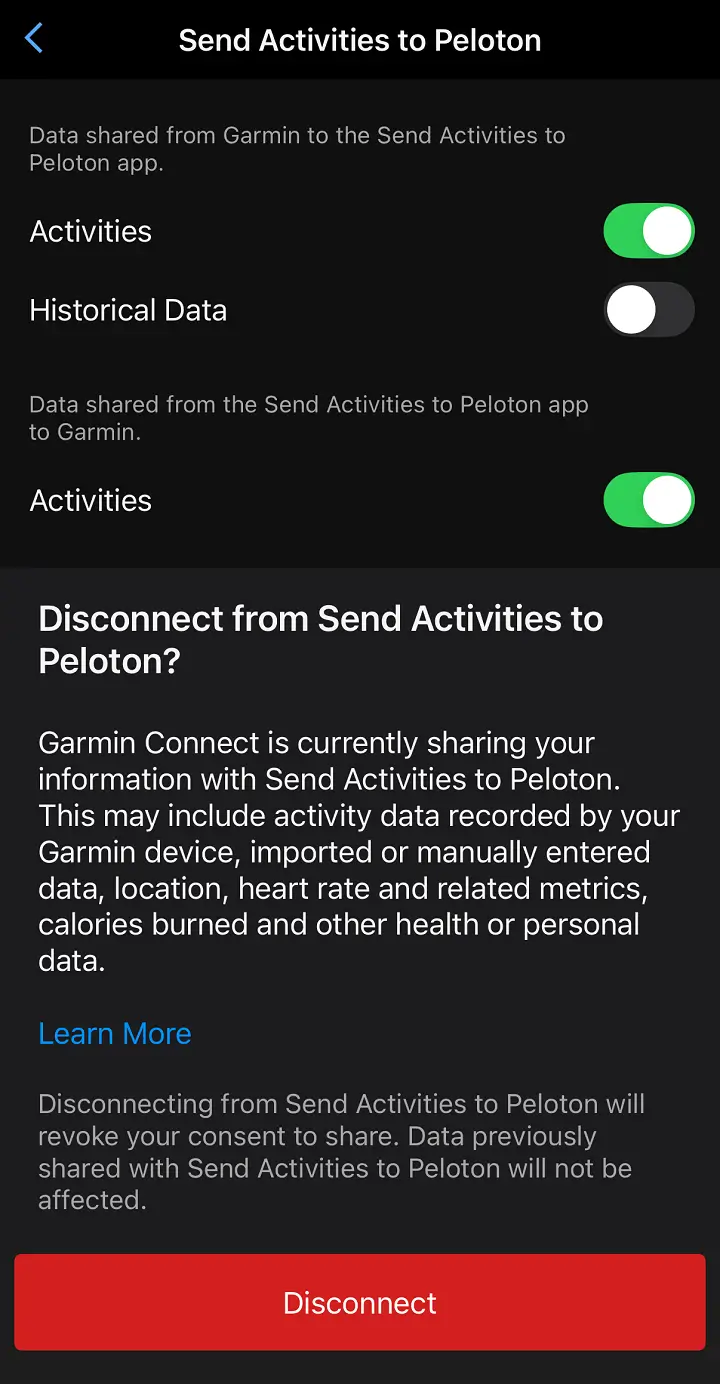
The setup process is straightforward and handled entirely within the Peloton mobile app.
-
Open the Peloton App: Go to your Profile and tap the menu icon.
-
Connect the Accounts: Select Connected Apps & Devices > Garmin Connect.
-
Authorize: Sign in to your Garmin account and grant permission.
Once there, you are presented with three distinct options:
-
One-Way (Garmin to Peloton): Share your outdoor runs and rides with your Peloton community.
-
One-Way (Peloton to Garmin): Import your indoor classes directly into your Garmin training log.
-
Bi-Directional Sync: The most comprehensive option, allowing data to flow freely back and forth between both platforms.
What Data Actually Moves Across?
While the sync is a massive leap forward, it is important to understand what information makes the journey. Most essential metrics are transferred perfectly, including:
-
Total workout duration
-
Heart rate data
-
Distance and calories burned
-
Cadence and power output (for compatible cycling sessions)
However, some “niche” data points remain exclusive to the Peloton ecosystem. For instance, incline data from treadmill sessions is currently excluded from the transfer. Despite this minor limitation, the core data required for Garmin’s advanced metrics—such as Training Load and Recovery Time—is fully supported.
Why This Matters for Performance Tracking
For the data-driven athlete, this update is about more than just convenience; it’s about accuracy. Garmin’s software relies on a complete picture of your activity to calculate “Training Readiness” and “Body Battery.”
Previously, if you spent the winter training exclusively on a Peloton bike, your Garmin watch might suggest you were “detraining” simply because it couldn’t see those sessions. By enabling this two-way sync, users finally get a 360-degree view of their fitness, ensuring that their recovery advice and performance stats reflect their true physical state.
Also Read: The Best Garmin Watches of 2026: A Beginner’s Guide to the Ultimate Ecosystem

