

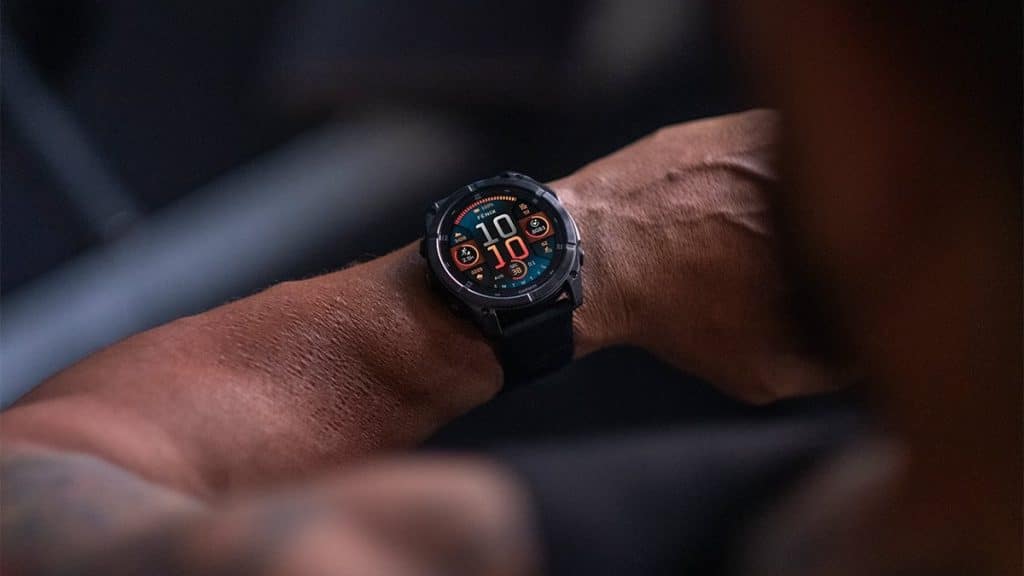
If you have ever wondered how smartwatch makers manage to pack heavy-duty features like cellular LTE, emergency satellite messaging, and dual-frequency GPS into a sleek metal housing without killing your battery or dropping your signal, Garmin’s engineers have an answer.
By tracking recent filings at the United States Patent and Trademark Office (USPTO), we have uncovered two new patent applications from Garmin that reveal a clever engineering shift. Instead of hiding tiny antennas inside plastic bumps or internal wires, Garmin is turning the actual metal body of the watch, from the outer bezel down to the case back and watch lugs, into a smart, active antenna array.
Here is a breakdown of how these new designs work and what they mean for the future of outdoor sports watches.
The Problem With Smartwatch Antennas
As sports watches and rugged wearables take on more communication tools, space inside the case becomes scarce. You need room for larger batteries, heart rate sensors, vibration motors, and sometimes even dive-rated buttons. At the same time, putting metal all around a smartwatch—which looks premium and feels durable—tends to block radio frequencies.
To solve this, Garmin’s latest filings focus on making the metal chassis work for the signal rather than against it.
Inside Patent #1: The Switchable Bottom Antenna
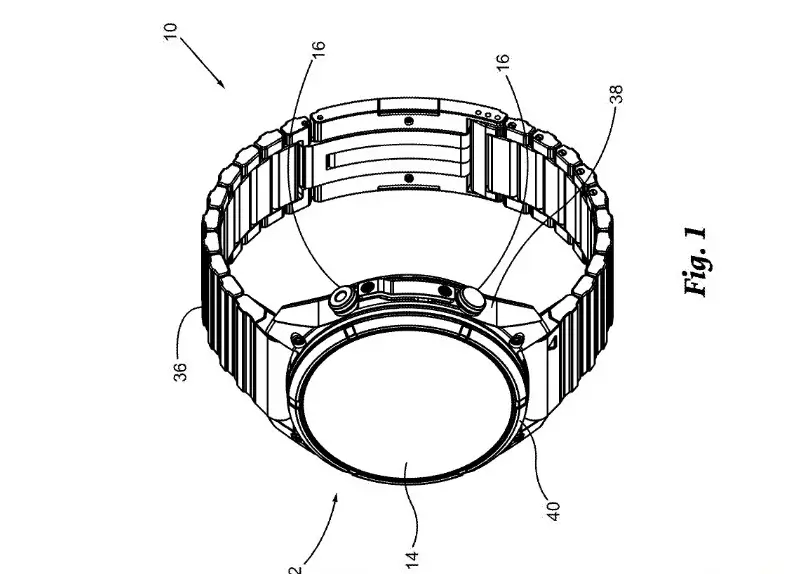
The first patent (US 2026/0312277 A1, invented by Yaoxuan Han) focuses heavily on the lower housing or the back plate of the watch. Normally, the metal case back just sits against your wrist. Garmin’s design turns that metal plate into an active lower housing antenna.
-
Moving Ground Switches: Along the perimeter of the bottom metal plate, the watch uses a ring of ground switches positioned around the watch case.
-
Real-Time Adjustments: By opening or closing these switches on the fly, the watch physically redirects the electrical currents flowing across the metal.
-
Multitasking Frequencies: Paired with small internal tuning parts like capacitors and inductors, this switchable setup lets the bottom antenna handle multiple frequency bands at the same time. That means the watch can balance things like GPS tracking, local Bluetooth sensors, and cellular data without interference.
Inside Patent #2: The Multi-Section Housing
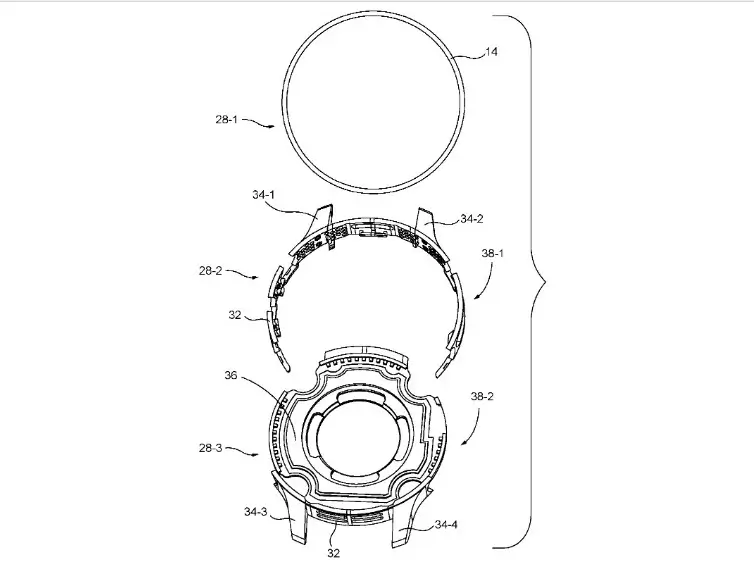
The second patent (US 2026/0312276 A1) takes a different approach by breaking the watch body into physically separated pieces.
-
Isolated Sections: Instead of one continuous block of metal, the unibody housing is divided into distinct sections. The side walls, the bottom plate, and the watch lugs are cut into separate pieces and joined together using non-conductive insulating material.
-
A Team of Four Antennas: Because these sections are electrically isolated from one another, Garmin can use them as up to four independent antennas.
-
Dividing the Workload: The metal bezel around the display lens handles high-frequency signals like dual-frequency GPS (L1 and L5). Meanwhile, the separate side and lug sections take over the heavy lifting for cellular (LTE) voice calls and satellite-based messaging (Non-Terrestrial Networks or NTN).
What This Means for Future Garmin Watches
Garmin’s latest engineering direction shows a clear roadmap for upcoming hardware. By utilizing smart ground switches and segmented metal housings, future iterations of flagship lines like the Fenix or Enduro will be able to offer advanced communication tools, such as global satellite SOS and hands-free LTE calls, without needing a bulkier case or sacrificing rugged durability.
It is all about making every square millimeter of the watch body pull double duty, keeping your wrist gear streamlined while keeping you connected deep in the backcountry.
Also Read: Garmin Prime Day 2026: Why Most Deals Disappointed (And What’s Worth Buying)

