


When you are deep in the backcountry miles away from cellular service, having satellite communication on your wrist can be a game-changer. However, packing heavy radios, bulky batteries, and complex antenna arrays into a standard sports watch usually makes the device way too heavy and thick for everyday wear.
After digging into a newly published patent from Garmin (US Patent US 12791988 B1, titled “Band for Extended Capability for Wearable Electronic Devices”), we found that the company is engineering a clever modular fix: smart watch bands that carry their own power and communication hardware.
What Our Deep Dive Into the Patent File Reveals
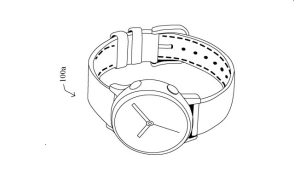
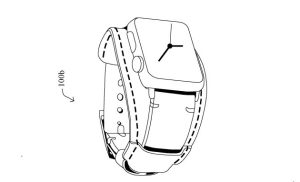
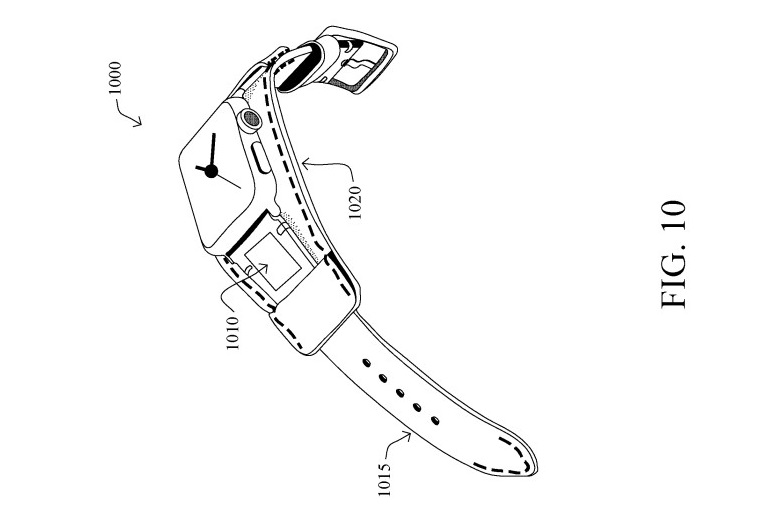
Rather than forcing every watch to carry massive hardware all the time, Garmin’s patent outlines a system where the wristband acts as an extension bus for the watch. Through an embedded signal bus or wireless protocols, snap-on or integrated modules in the band can seamlessly boost the watch’s capabilities only when you need them.
Here are the key highlights from our analysis of the patent documents:
-
Wristband-Based Satellite Communicators: The patent details integrating a high-performance satellite patch antenna (such as C-band or Ku-band arrays) and a dedicated transmitter/receiver directly into the watch band. This allows for true two-way satellite messaging from your wrist.
-
Smart UI Aiming Guidance: Because satellite antennas require a clear line of sight, the system uses the watch’s internal sensors and a clever graphical user interface (GUI)—featuring an augmented reality (AR) satellite view or an “air bubble” leveling guide—to help you aim your wrist correctly toward passing satellites.
-
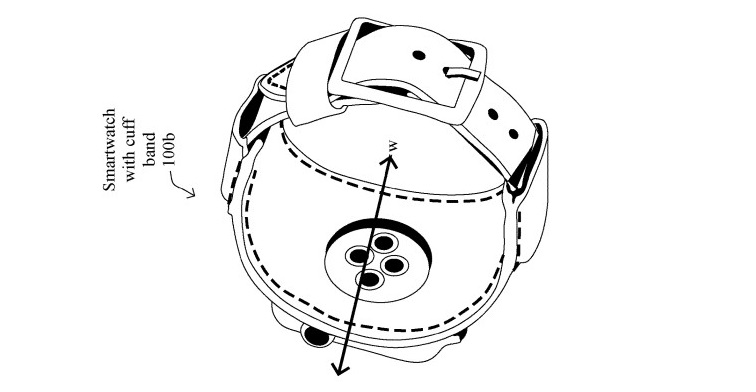
Ring-Shaped Pass-Through Batteries: To power power-hungry features like satellite communication or heavy apps without killing your daily battery life, Garmin designed modular external batteries that attach to the band. A particularly clever ring-shaped battery design features a central inner aperture. This cutout allows optical and biometric sensors on the back of the watch to maintain direct skin contact, supplemented by specialized “sensory conveyors” (like heat and motion conductors) if needed.
-
Flexible Internal Architecture: The electronics inside the band aren’t rigid blocks; they utilize flexible circuits, semi-rigid boards, or interconnected rigid segments designed to comfortably wrap around the natural contour of your wrist.
What This Could Mean for Future Gear
This patent outlines a modular approach to wearable tech. Instead of carrying a heavy, over-engineered expedition watch every day to the office, you could theoretically snap on a high-capacity battery and a satellite communication band whenever you head out on a multi-day backcountry trek.
As always, patents represent engineering research and design exploration rather than officially announced products. But if Garmin brings this modular band ecosystem to life, it could completely redefine how we think about power and satellite connectivity on our wrists.
Also Read: Garmin Early Black Friday Sale: Best Deals on Fenix 8, Forerunner 965, and More (Up to 44% Off)

