

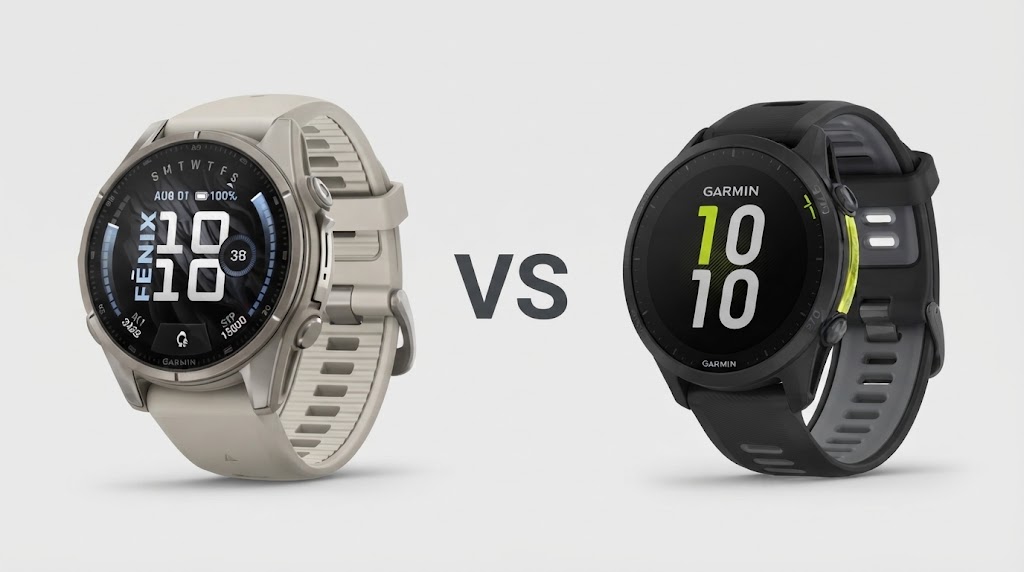
If you are shopping for a high-end Garmin watch right now, you are probably stuck in the classic dilemma. On one side is the ultimate rugged heavyweight—the Garmin Fenix 9. On the other side, you have the runner-focused powerhouse—the Garmin Forerunner 970.
Both watches sit near the top of Garmin’s ecosystem, both feature gorgeous displays, and both cost a pretty penny. But they are built for entirely different wrists. If you are trying to narrow down your options across generations or siblings in the lineup, you might also want to check out my previous breakdowns on the Garmin Fenix 8 vs. Forerunner 970 to see how the previous generation stacks up, or take a look at the Garmin Fenix 9 vs. Fenix 9 Pro if you are debating internal upgrades within the Fenix family itself.
Let’s break down every single difference between the Fenix 9 and the Forerunner 970—from design and materials to features and pricing—so you can decide which one deserves a spot on your arm.
Quick Comparison Table
| Feature | Garmin Forerunner 970 | Garmin Fenix 9 Series |
| Price | $749.99 | $999.99 to $1,399.00+ |
| Sizes Available | 47mm (Single size) | 43mm, 47mm, and 51mm |
| Weight | ~56g (case only) | ~62g to 99g (depending on size/model) |
| Build & Materials | Titanium bezel, fiber-reinforced polymer case, sapphire crystal | Heavy-duty metal rear, titanium bezel, sapphire crystal options |
| Display Type | AMOLED (1.4-inch) | Choice of AMOLED or MIP Solar (depending on model), 1.5-inch AMOLED display on the 51mm Pro version |
| Battery Life (Smartwatch Mode) | Up to 15 days | Varies widely; up to weeks/months on large MIP Solar models |
| Key Running Metrics | Running Tolerance, Impact Load, advanced recovery tracking | Standard advanced Garmin training metrics |
| Outdoor & Adventure Tech | Standard multi-band GPS, full topo maps | Advanced mapping, heavy expedition tools, optional satellite communication |
| Smart Features | Voice commands/speaker, microphone, ECG, LED flashlight | Voice commands/speaker, microphone, ECG, LED flashlight |
1. Design, Build Quality, and Sizes
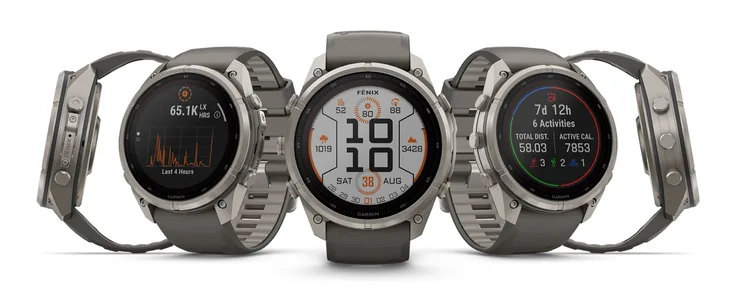
The biggest difference between the Fenix and Forerunner lines has always been how they look and feel. That tradition continues, though the gap in build quality narrowed this generation.
-
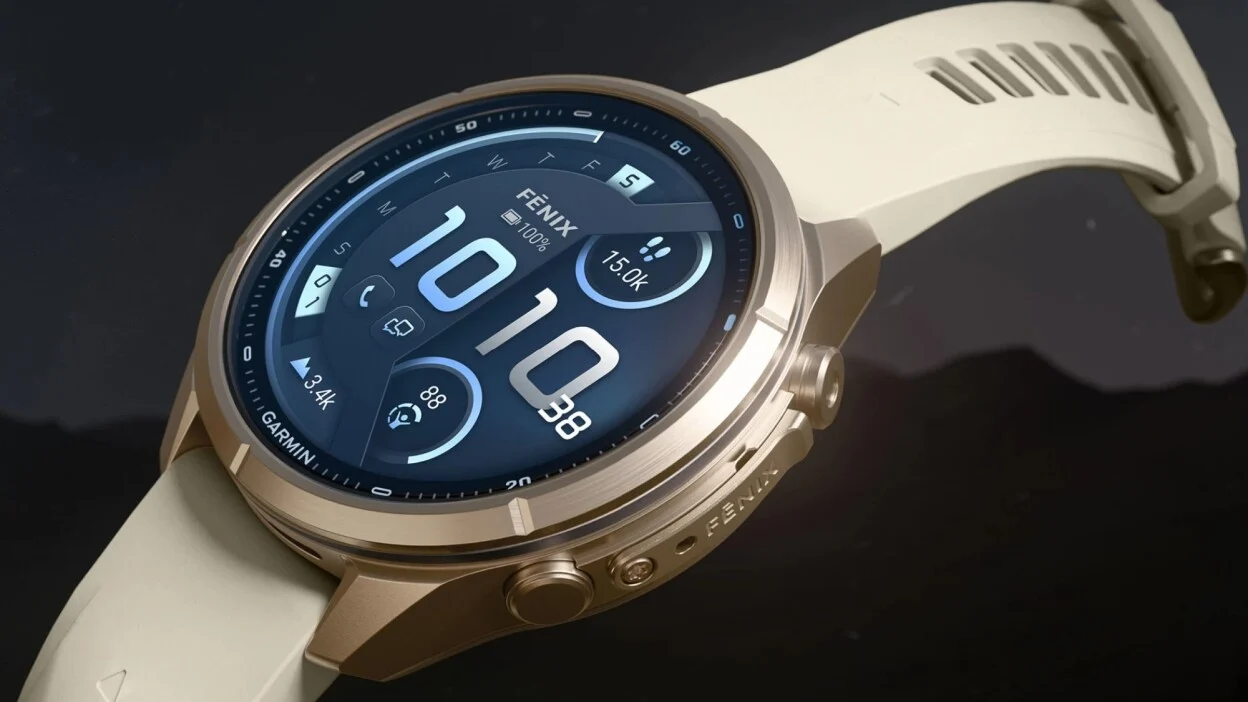
Garmin Fenix 9 Series: The Fenix 9 is built like a tank. It comes in three distinct sizes (43mm, 47mm, and 51mm) so you can pick what fits your wrist best. It uses a heavy-duty titanium bezel, a rugged metal rear case structure, and can handle serious abuse in the mountains. If you step up to higher-end variants like the Fenix 9 Pro, you get an even more robust full titanium body. Depending on the exact model you pick, it weighs anywhere from 62g to 99g with the band. It looks bold, industrial, and ready for an expedition.
-
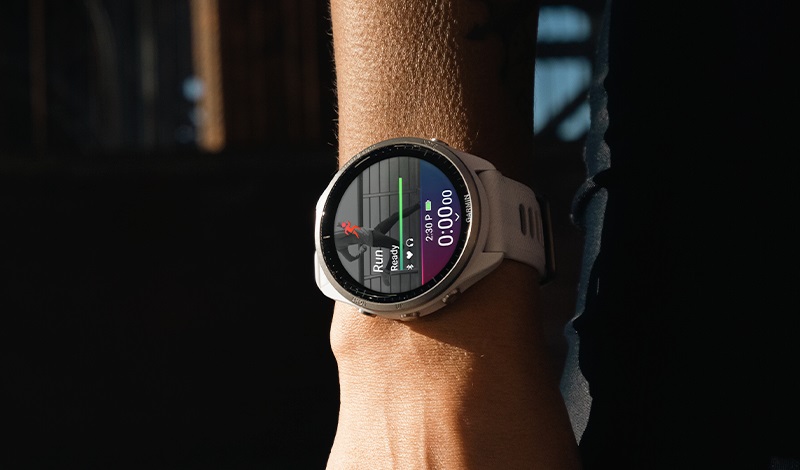
Garmin Forerunner 970: The Forerunner 970 keeps things streamlined. It comes in a single 47mm size. It uses a fiber-reinforced polymer body combined with a lightweight titanium bezel and a tough sapphire crystal lens. Weighing just 56g (case only), it feels dramatically lighter and less bulky on a daily run than a 47mm or 51mm Fenix 9.
The Verdict on Design: If you want a smaller watch (43mm), a massive screen (51mm), or an ultra-rugged metal build, the Fenix 9 wins. If you want a light, comfortable daily sports watch that doesn’t feel heavy when you sleep or run fast, the Forerunner 970 is much more comfortable.
2. Display Technology
Display choice is a huge deal in the Garmin community right now, especially given how passionate people are about outdoor visibility versus vibrant colors.
-
Garmin Fenix 9 Series: Garmin offers the Fenix 9 lineup in multiple configurations. You can get brilliant, punchy AMOLED displays across all sizes—including a massive 1.5-inch AMOLED screen on the larger 51mm Fenix 9 Pro models—or opt for traditional Memory-in-Pixel (MIP) Solar displays on select Pro variants if you care most about ultimate outdoor sunlight readability and endless battery life.
-
Garmin Forerunner 970: The Forerunner 970 sticks strictly to a bright, beautiful 1.4-inch AMOLED display protected by sapphire crystal. It looks fantastic for viewing maps and stats, though it doesn’t offer a solar charging option.
3. Training, Running Metrics, and Software Features
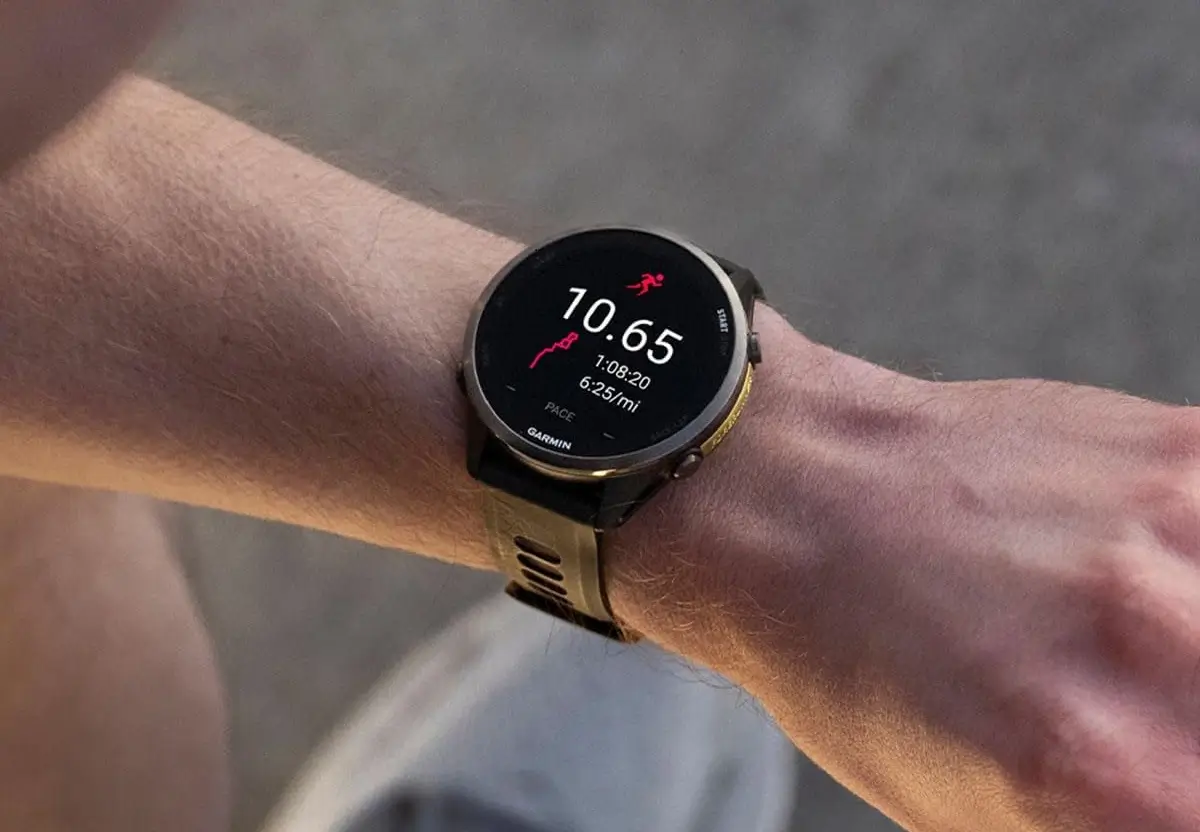
Because the Forerunner series is designed specifically for runners and triathletes, it often debuts or emphasizes deep running analytics. However, the Fenix 9 matches most of these and adds heavy-duty outdoor navigation tools.
-
Forerunner 970 Unique Software Perks: The Forerunner 970 introduced clever software additions like Running Tolerance (which monitors your weekly training volume to prevent injury-causing spikes) and Impact Load (which calculates the true musculoskeletal stress of hilly runs vs. flat ground). It also includes a built-in speaker and microphone for voice commands, an ECG app, a built-in LED flashlight, and skin temperature tracking.
-
Fenix 9 Series Software Perks: The Fenix 9 matches almost all of the everyday health and smart features of the Forerunner, but layers on advanced adventure routing, deeper topographic mapping tools, and rugged expedition modes. Certain high-end Fenix 9 Pro variants even offer satellite communication capabilities (like inReach integration), which you cannot get on any Forerunner.
4. Battery Life
Battery performance is a major deciding factor, and the two lineups handle longevity quite differently depending on the size and screen type you choose:
-
Garmin Fenix 9 Series: Battery life here spans a massive range. If you pick the AMOLED versions, you get solid multi-day endurance (typically ranging from roughly 9 to 16 days depending on the 43mm, 47mm, or 51mm case size). However, if you opt for the MIP Solar variants, the numbers skyrocket. The 51mm Fenix 9 Pro Solar can stretch for months in smartwatch mode with sufficient sun exposure, or weeks even under heavy GPS use.
-
Garmin Forerunner 970: The Forerunner 970 offers a reliable up to 15 days of battery life in standard smartwatch mode with its AMOLED screen. When you switch on continuous multi-band GPS tracking, that drops down to around 24 to 30 hours. While that easily covers a full week of heavy training and daily wear, it lacks the multi-week or solar-extended longevity found on the larger Fenix 9 models.
5. Price Breakdown
Price is usually where the final decision gets made, as there is a clear financial gap between the two series:
-
Garmin Forerunner 970: Retails at $749.99. It gives you a titanium bezel, sapphire glass, AMOLED screen, and heavy-duty training metrics without pushing past the $800 mark.
-
Garmin Fenix 9 Series: Starts at $999.99 for the base Fenix 9, and climbs past $1,099 to nearly $1,400 if you step up to the Fenix 9 Pro or versions with satellite inReach features.
Summary: Which One Should You Buy?
-
Choose the Garmin Forerunner 970 if: You are primarily a runner, cyclist, or triathlete who wants top-tier training metrics (like Impact Load and Running Tolerance), a gorgeous AMOLED screen, and a lightweight titanium build—all while saving a few hundred dollars compared to the flagship Fenix tier.
-
Choose the Garmin Fenix 9 Series if: You want a rugged, bomb-proof outdoor watch, need multiple size choices (especially a smaller 43mm or massive 51mm), prefer the sunlight-visibility of MIP Solar screens, or need extreme adventure features like satellite communication.
Check Forerunner 970 at Amazon
Check Fenix 9 Series at Amazon
Also Read: Garmin Forerunner 170 and Forerunner 70 Receive Their First-Ever Discounts

