

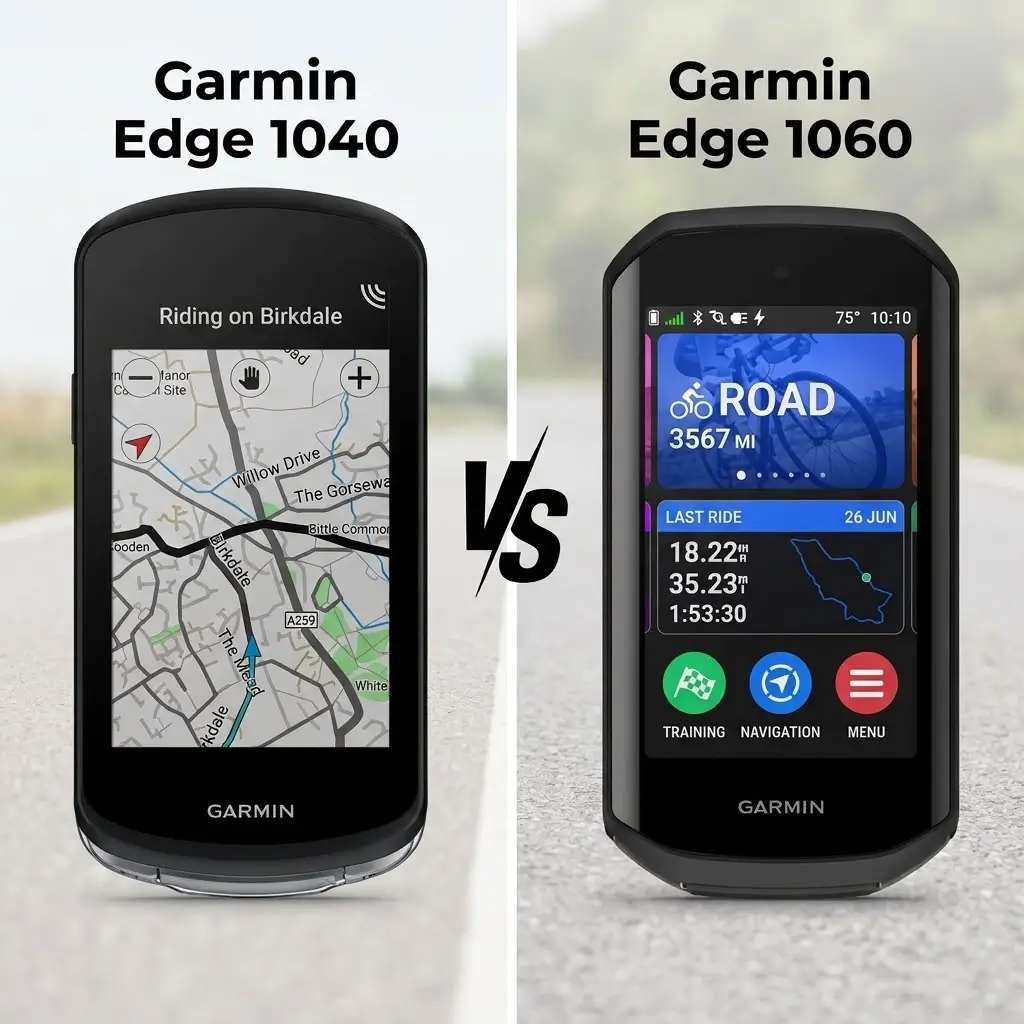
Choosing a high-end GPS bike computer can feel overwhelming. For years, the Garmin Edge 1040 sat comfortably at the top of the cycling world, loved by riders for its massive screen and long battery life. But technology moves fast in the cycling industry. Garmin launched the new Edge 1060, bringing a wave of modern features to the handlebars that build on the tech first seen in the Edge 1050 lineup. If you want to see how the mid-step upgrade compares, check out this Garmin Edge 1060 vs Edge 1050 comparison.
If you are wondering whether to stick with your trusted Edge 1040 or step up to the newer model, details are covered in the Garmin Edge 1060 officially launched price release date and new features guide; this detailed breakdown explains every major difference in simple news-style reporting.
Price and Market Value
Pricing is one of the biggest factors when choosing between these two head units. The new Garmin Edge 1060 launches at a premium price point of $799.99 (€799.99), marking a $100 price increase over previous flagship starting prices. That extra cost accounts for the newer hardware features like the integrated microphone, speaker, and extra physical buttons.
On the other hand, the arrival of the Edge 1060 makes the Edge 1040 a much more attractive deal. Originally launched at $599.99 for the standard non-solar model and $749.99 for the Solar version, the Edge 1040 is now frequently discounted across major retailers. Riders looking to buy brand new or refurbished stock can easily find the Edge 1040 selling well below its original retail price, making it a high-value option for cyclists who want a flagship big-screen experience without spending top dollar.
Display Technology and Screen Types
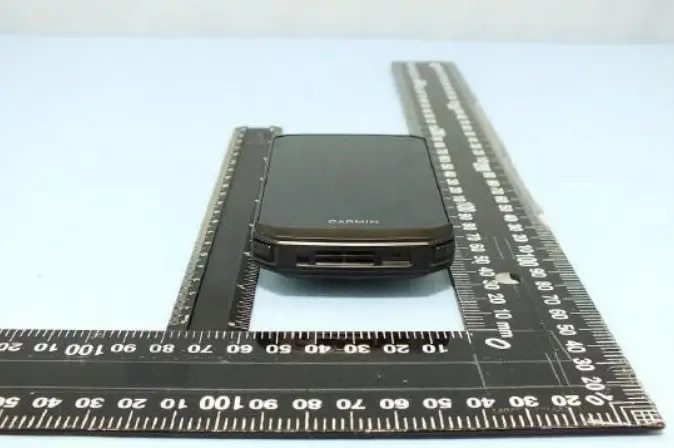
One of the most drastic differences between these two generations lies right on the display screen. While both computers feature a 3.5-inch screen with a 480 x 800 pixel resolution, they use completely different display panel technologies that change how they look on your handlebars.
The Edge 1040 uses a traditional transflective TFT display. Transflective screens rely heavily on external ambient light—meaning the brighter the direct sunlight shines on your screen, the clearer and easier it is to read without draining power. It is designed purely for outdoor efficiency and maximum battery preservation.
The Edge 1060 upgrades to a bright, vibrant Liquid Crystal Display (LCD) panel capable of reaching up to 1,000 nits of peak brightness. This shift gives the Edge 1060 rich colors, deeper contrast, and smartphone-like clarity with smoother map rendering. However, because an LCD backlight must stay powered continuously to deliver those punchy visuals, it consumes significantly more energy than the transflective panel on the 1040.
Physical Design, Size, and Outer Hardware
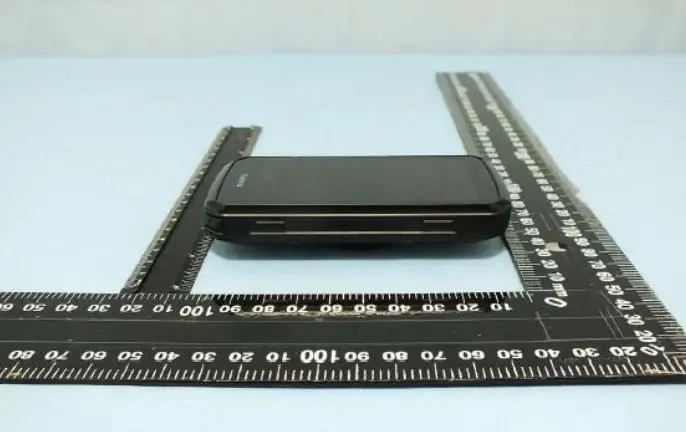
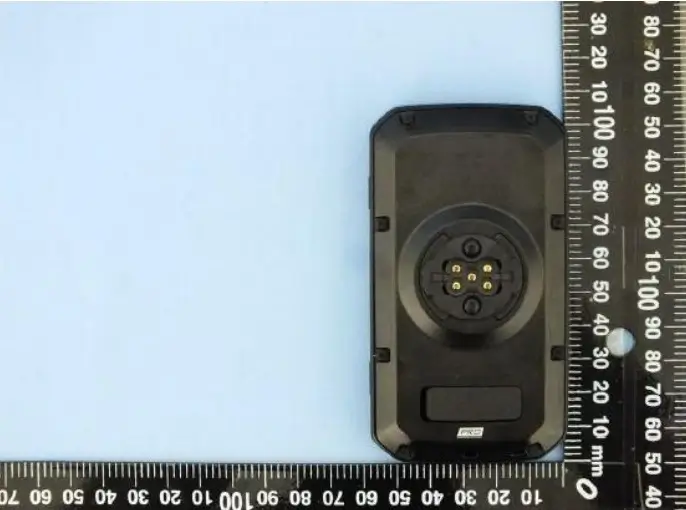
Garmin redesigned the outer casing of the Edge 1060 to fit a noticeably sleeker footprint. The Edge 1040 measures 59.3 x 117.6 x 20.0 mm and weighs 126 grams, relying heavily on its touchscreen with just three basic hardware buttons.
The Edge 1060 trims down the outer body dimensions to 58.5 x 107 x 16.3 mm and weighs 142 grams. Garmin also included four new physical side buttons on the Edge 1060, bringing the total to seven. This change allows cyclists to easily control screens, laps, and maps while wearing heavy winter gloves or riding in pouring rain without struggling with touchscreen input.
Voice Commands, Speaker, and Audio Alerts
The biggest real-world functional gap between these two generations comes down to audio interaction. The Edge 1040 acts as a traditional silent navigator that only provides basic keep-on-track beeps.
In contrast, the Edge 1060 adds a built-in microphone and audio speaker directly into the housing. Riders can activate hands-free voice controls using commands like “OK Garmin” without taking their hands off the handlebars. The speaker can announce turn-by-turn navigation directions out loud, act as an electronic bike bell to warn pedestrians, and play voice messages received through the Garmin Messenger app.
Battery Life and Power Management
When it comes to pure endurance on a single charge, the older Edge 1040 still holds a strong advantage over the newer hardware. The Edge 1040 delivers up to 35 hours of battery life under normal use, and the Solar version extends that time even further for multi-day tours.
The Edge 1060 powers a much brighter display panel and runs continuous voice features, which drains energy faster. Expect around 20 hours of regular battery life on the Edge 1060 during demanding rides (though it can stretch up to 60 hours in battery saver mode). While 20 hours is more than enough for most day rides and century trips, ultra-endurance cyclists may prefer the longevity of the 1040.
Technical Specifications Comparison
| Feature / Spec | Garmin Edge 1040 | Garmin Edge 1060 |
| Retail Price | ~$599 (Now heavily discounted) | $799.99 / €799.99 |
| Display Type | Transflective TFT Color Screen | Ultra-Bright Liquid Crystal Display (LCD) |
| Screen Resolution | 3.5-inch (480 x 800 pixels) | 3.5-inch (480 x 800 pixels, up to 1,000 nits) |
| Hardware Buttons | 3 Buttons | 7 Physical Buttons |
| Microphone & Voice Control | No | Yes (“OK Garmin” Commands) |
| Speaker & Digital Bell | No | Yes (Voice Navigation & Bike Bell) |
| Battery Life | Up to 35 Hours (45h Solar) | Up to 20 Hours (Demanding Use) / 60h Saver |
| Internal Storage | 32 GB (64 GB Solar) | 64 GB |
| Weight | 126 g | 142 g |
Navigation Features and Software Enhancements
Garmin introduced several fresh software features on the Edge 1060 to improve road and trail routing. The Edge 1060 introduces Free Flow Routing, which actively selects routes with fewer traffic lights and busy stops to help riders maintain momentum.
Searching for destinations directly on the device is also much easier on the Edge 1060. It includes an updated full QWERTY keyboard with predictive text support, eliminating the slow address typing process of the Edge 1040. Group ride features also get a major boost on the 1060, allowing cyclists to view live rider locations, send voice notes to friends, and compare climb metrics instantly.
Which Model Is Right for You?
Choosing between these two head units comes down to your personal riding habits and budget.
If you want maximum battery life, prefer a sunlight-focused transflective display with lower battery draw, and don’t need voice interaction, the discounted Garmin Edge 1040 offers incredible value. However, if you want a vivid smartphone-quality LCD screen, full voice commands, physical side buttons for wet-weather riding, built-in speaker alerts, and smart routing, the Garmin Edge 1060 is well worth the upgrade.
Check Garmin Edge 1060 at Amazon
Check Garmin Edge 1040 at Amazon
Also Read: Garmin Edge 1060 vs. Edge 1050: What’s New and Is It Worth the $100 Upgrade?

