


If you follow Garmin’s intellectual property filings as closely as we track regulatory databases, you know that engineering a rugged sports watch is a constant balancing act. On one hand, users love the premium look, feel, and durability of a metal watch housing. On the other hand, metal is notoriously difficult for wireless signals, as it tends to block or disrupt GPS and communication antennas.
Garmin has been working hard to crack this problem, as we saw recently with their patent filings around biplanar slot antennas. Now, a newly published patent application from the USPTO (US-20260299520-A1, titled “Watch Housing Having a Receiving Structure and Outer Structure Elements” and filed by inventors including Anup N. Kulkarni) gives us another fascinating look at how future Garmin hardware might be built.
What is the New Patent About?
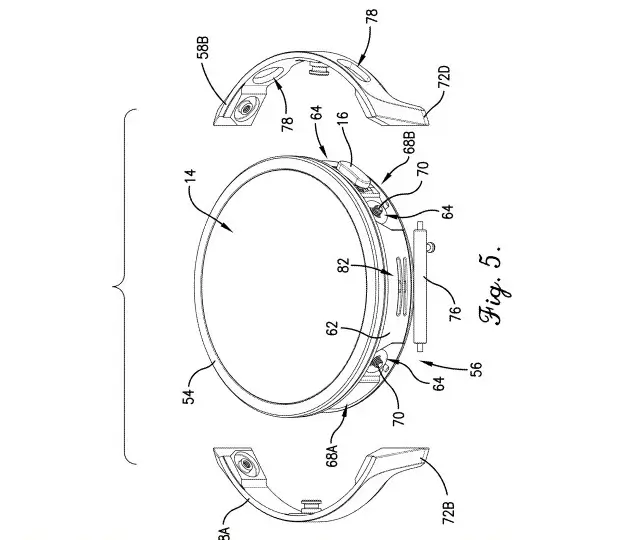
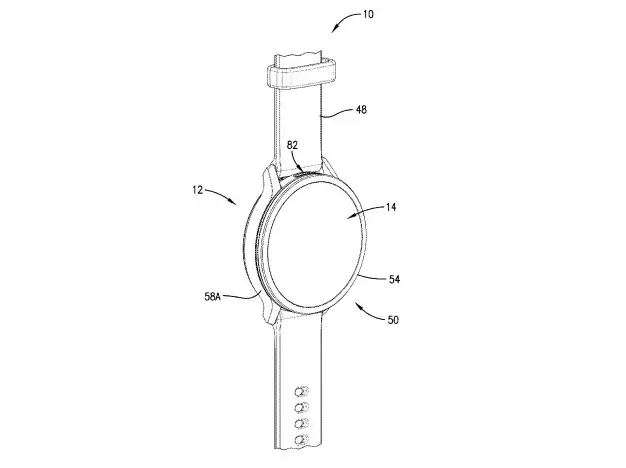
The patent details a clever design for a wrist-worn electronic device housing that splits the structure into an upper housing (featuring a conductive metal bezel) and a lower housing.
Instead of making the entire mid-case out of metal, which creates massive headaches for internal antennas, the core receiving structure of the lower housing is molded out of an electrically non-conductive material (like durable polymers, plastics, or glass).
To give the watch that premium, all-metal look users crave, Garmin’s design places separate outer structural elements (made of metal or metal alloys) directly into opposing recesses built into the sides of the non-conductive case.
Key Highlights from the Filing:
-
Dual Outer Elements: The side walls of the case feature opposing recesses that house metal structural pieces, which ultimately extend outward to form the watch lugs where the wristband pins are secured.
-
Clean Integration for Controls and Sensors: The design accounts for physical user interface pushbuttons, barometric pressure sensor ports, microphones, speakers, and flashlights to fit seamlessly through dedicated cutouts or through-holes in the housing.
-
Maintaining RF Performance: By combining a non-conductive inner shell with strategically placed metal elements and a metal bezel, the architecture keeps enough non-metallic surface area exposed to let GNSS and communication signals pass freely without losing structural rigidity or aesthetic appeal.
What This Means for Future Garmin Watches
As we’ve noted with previous antenna and structural patents, a published patent doesn’t mean a commercial product is landing on shelves tomorrow. However, it offers a clear window into Garmin’s engineering roadmap. Solving the conflict between heavy metal styling and precise multi-band GPS tracking remains a top priority for high-end fitness and outdoor wearables.
Could this hybrid shell architecture pave the way for lighter, more durable, or more seamlessly connected outdoor watches down the road? It’s entirely possible. We will continue keeping a close eye on the patent office for more clues.
Also Read: Garmin’s New Fenix 9 Pro Is Live on Amazon—Here Is What You Need to Know

